Edutarbiyah English Blog A Trusted Resource for Parenting, Islamic Tarbiyah & Personal Development
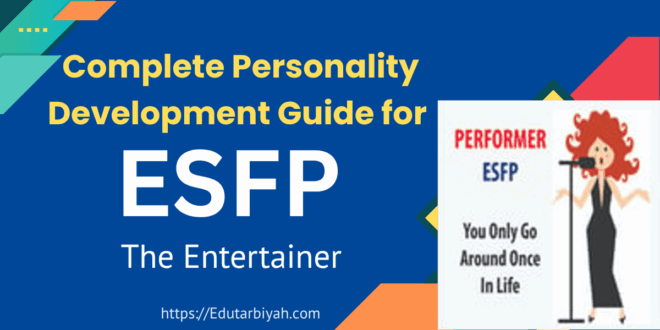
The ESFP personality type is one of the most vibrant, enthusiastic, people-oriented, and energetic personality types in the MBTI framework. Commonly known as “The Entertainer,” “The Performer,” or “The Enthusiast,” ESFPs bring excitement, warmth, compassion, and joy wherever they go.
ESFPs are natural optimists who enjoy living life to the fullest. They love engaging with people, creating memorable experiences, and bringing energy into social situations. Their ability to connect with others makes them popular friends, inspiring leaders, effective communicators, and influential motivators.
This comprehensive Personality Development Guide for ESFP will help readers understand their personality deeply, identify strengths and weaknesses, discover blind spots, improve relationships, make better career choices, and develop into the healthiest version of themselves.
Understanding your personality type enhances self-awareness, emotional intelligence, relationship improvement, career guidance, and overall personal growth.
What Is MBTI?
The Myers-Briggs Type Indicator (MBTI) is one of the world’s most widely used personality frameworks. It identifies sixteen personality types based on four dimensions:
- Extraversion (E) vs Introversion (I)
- Sensing (S) vs Intuition (N)
- Feeling (F) vs Thinking (T)
- Perceiving (P) vs Judging (J)
Each personality type possesses unique strengths, challenges, motivations, communication styles, and growth opportunities.
What Does ESFP Mean?
E – Extraversion
ESFPs gain energy from interacting with people, engaging in activities, and participating in exciting experiences.
S – Sensing
ESFPs focus on practical realities, details, and present experiences rather than abstract theories.
F – Feeling
They make decisions based on values, compassion, empathy, and concern for people.
P – Perceiving
ESFPs prefer flexibility, spontaneity, freedom, and keeping options open.
Cognitive Preferences of ESFP
Dominant Function: Extraverted Sensing (Se)
This function makes ESFPs highly aware of their surroundings and responsive to opportunities.
It helps them:
- Enjoy life fully
- Adapt quickly
- Notice details
- Take action confidently
- Thrive in dynamic environments
Auxiliary Function: Introverted Feeling (Fi)
This function gives ESFPs strong personal values and authenticity.
They often strive to live according to what feels personally meaningful.
Tertiary Function: Extraverted Thinking (Te)
This function helps ESFPs become productive, organized, and goal-oriented as they mature.
Inferior Function: Introverted Intuition (Ni)
This is often a growth area.
ESFPs may struggle with future planning, long-term vision, and anticipating consequences.
Overview of ESFP – The Entertainer
Nickname
The Entertainer, Performer, or Enthusiast
Core Motivation
To enjoy life, create happiness, connect with people, and experience meaningful adventures.
Core Fear
Being trapped, ignored, restricted, lonely, or missing out on life.
Core Values
ESFPs often value:
- Freedom
- Fun
- Relationships
- Authenticity
- Compassion
- Adventure
- Joy
- Creativity
- Beauty
- Human connection
Life Mission
To bring happiness, inspiration, energy, and encouragement into the lives of others.
Key Characteristics of ESFP
Thinking Style
ESFPs focus on practical realities and immediate experiences.
They ask:
- What can I do now?
- How can I enjoy this experience?
- How will this affect people?
Communication Style
ESFPs are warm, expressive, engaging, and enthusiastic communicators.
They naturally connect with people emotionally.
Learning Style
ESFPs learn best through:
- Hands-on experiences
- Activities
- Demonstrations
- Real-life practice
- Interactive learning
Work Style
ESFPs thrive in environments that involve people, variety, creativity, and flexibility.
Decision-Making Style
They balance personal values, human impact, and practical realities.
Greatest Strengths of ESFP
This Personality Development Guide for ESFP emphasizes the natural strengths that make ESFPs special.
1. Exceptional People Skills
ESFPs connect easily with people from different backgrounds.
Example:
An ESFP teacher can quickly build rapport with students and create a positive learning environment.
2. Optimism
They naturally bring positivity and encouragement.
3. Adaptability
ESFPs adjust quickly to changing circumstances.
4. Compassion
They genuinely care about others.
5. Charisma
Many ESFPs naturally attract people.
6. Practical Problem Solving
They handle real-world situations effectively.
7. Energy and Enthusiasm
Their enthusiasm often inspires others.
8. Creativity
ESFPs frequently express creativity through performance, design, communication, and innovation.
9. Courage
They are willing to try new experiences.
10. Authenticity
ESFPs usually remain true to themselves.
Common Weaknesses and Challenges
Every personality type has weaknesses.
1. Impulsiveness
ESFPs may act without considering long-term consequences.
2. Difficulty with Planning
Future planning may feel restrictive.
3. Easily Distracted
Exciting opportunities can divert their attention.
4. Avoiding Difficult Conversations
They often dislike conflict.
5. Overspending
They may prioritize enjoyment over financial planning.
6. Emotional Reactivity
Strong emotions can influence decisions.
7. Difficulty with Routine
Repetition may feel boring.
8. Fear of Missing Out
ESFPs may struggle to say no.
9. Seeking External Validation
Some ESFPs depend too much on others’ approval.
10. Lack of Long-Term Focus
Immediate enjoyment can overshadow future goals.
Blind Spots of ESFP
An important aspect of this Personality Development Guide for ESFP is identifying blind spots.
Blind Spot 1: Prioritizing Fun Over Growth
Not every enjoyable activity contributes to long-term success.
Blind Spot 2: Avoiding Reflection
Personal growth requires reflection.
Blind Spot 3: Underestimating Consequences
Some decisions require deeper consideration.
Blind Spot 4: Overcommitting
ESFPs may say yes too often.
Blind Spot 5: Neglecting Long-Term Goals
Future planning remains important.
How to Overcome Blind Spots
- Set long-term goals.
- Practice daily reflection.
- Learn delayed gratification.
- Create financial discipline.
- Develop planning habits.
Emotional Growth Areas
Emotional Intelligence Challenges
ESFPs may struggle with:
- Delayed gratification
- Emotional regulation
- Handling criticism
- Long-term commitment
- Self-reflection
Self-Awareness Development
Ask yourself:
- What am I feeling?
- Why am I reacting this way?
- What lesson can I learn?
- What long-term outcome do I want?
Self-Regulation Strategies
- Journaling
- Prayer and mindfulness
- Exercise
- Quiet reflection
- Seeking feedback
- Setting boundaries
Relationship Guide
ESFP as a Spouse
ESFPs are loving, affectionate, supportive, and fun partners.
Challenges:
- Impulsiveness
- Avoiding conflict
- Difficulty discussing long-term plans
Growth Tips:
- Practice active listening.
- Discuss future goals regularly.
- Develop emotional patience.
ESFP as a Parent
ESFP parents often create joyful, loving, and supportive homes.
Growth Tips:
- Balance fun with structure.
- Maintain consistency.
- Teach responsibility.
ESFP as a Friend
ESFPs are loyal, caring, and entertaining friends.
ESFP as a Colleague
ESFPs contribute enthusiasm, teamwork, and positivity.
Growth Tips:
- Improve organization.
- Respect deadlines.
- Focus on follow-through.
Career Development Guide
A strong Personality Development Guide for ESFP should include career guidance.
Best Careers for ESFP
ESFPs thrive in careers involving people, creativity, communication, and action.
Examples include:
- Teacher
- Coach
- Counselor
- Sales Professional
- Marketing Specialist
- Public Relations Professional
- Event Planner
- Actor
- Musician
- Presenter
- Entrepreneur
- Hospitality Manager
- Travel Consultant
- Fashion Designer
- Social Media Creator
- Human Resources Specialist
- Real Estate Agent
Careers That May Feel Draining
ESFPs may struggle in careers involving:
- Isolation
- Repetitive tasks
- Excessive theory
- Rigid bureaucracy
- Minimal human interaction
Leadership Strengths
ESFP leaders motivate through enthusiasm, encouragement, and personal connection.
Workplace Challenges
- Long-term planning
- Organization
- Time management
- Administrative tasks
Career Growth Roadmap
- Build discipline.
- Improve planning.
- Strengthen financial literacy.
- Develop leadership skills.
- Learn emotional intelligence.
- Improve focus.
- Build expertise.
Parenting an ESFP Child
ESFP children are often energetic, playful, social, creative, and curious.
How Parents Should Nurture an ESFP Child
- Encourage creativity.
- Provide active learning opportunities.
- Support social interaction.
- Teach responsibility.
- Celebrate strengths.
Common Parenting Mistakes
- Excessive control.
- Ignoring emotions.
- Overly strict routines.
- Excessive criticism.
Educational Recommendations
ESFP children learn best through:
- Activities
- Demonstrations
- Projects
- Group learning
- Real-world experiences
Personal Development Roadmap
Daily Habits
- Exercise.
- Reflect for 10 minutes.
- Read something meaningful.
- Complete important tasks first.
- Practice gratitude.
Weekly Habits
- Review goals.
- Evaluate spending habits.
- Connect with mentors.
- Learn new skills.
Mindset Shifts
From:
“I want enjoyment now.”
To:
“I want lasting success.”
From:
“I’ll think about it later.”
To:
“I’ll plan wisely today.”
Skills to Learn
- Emotional intelligence
- Financial management
- Time management
- Leadership
- Strategic planning
- Communication
- Conflict resolution
Books to Read
- Emotional Intelligence
- Atomic Habits
- The 7 Habits of Highly Effective People
- Mindset
- Essentialism
Habits to Avoid
- Impulsive spending
- Overcommitting
- Seeking approval
- Ignoring long-term goals
- Avoiding difficult conversations
Spiritual and Character Development
Humility
Popularity and charisma should be balanced with humility.
Discipline
Discipline transforms potential into achievement.
Patience
Long-term success requires patience.
Gratitude
Focus on blessings rather than constant excitement.
Purpose-Driven Living
Use your gifts to uplift and serve others.
How ESFP Can Become Their Best Version
The healthiest ESFP is joyful, disciplined, emotionally intelligent, responsible, and purpose-driven.
Step 1
Accept your strengths.
Step 2
Develop self-discipline.
Step 3
Improve emotional intelligence.
Step 4
Learn strategic planning.
Step 5
Strengthen relationships.
Step 6
Focus on long-term growth.
Step 7
Use your influence to positively impact others.
This is the heart of the Personality Development Guide for ESFP: transforming enthusiasm into achievement, popularity into influence, and joy into meaningful contribution.
Famous ESFP Personalities
Examples often associated with ESFP characteristics include:
- Elvis Presley
- Jamie Oliver
- Will Smith
- Adele
- Miley Cyrus
- Ronald Reagan
Lessons We Can Learn
- Joy inspires people.
- Relationships matter.
- Confidence creates opportunities.
- Authenticity builds trust.
- Discipline enhances success.
Frequently Asked Questions
1. What is the ESFP personality type?
ESFP stands for Extraversion, Sensing, Feeling, and Perceiving.
2. Why is ESFP called The Entertainer?
Because ESFPs naturally bring energy, fun, and excitement to social situations.
3. What are ESFP strengths?
Optimism, charisma, adaptability, compassion, and communication skills.
4. What are ESFP weaknesses?
Impulsiveness, poor planning, emotional reactivity, and difficulty with routine.
5. Are ESFPs emotional?
Yes. ESFPs often experience emotions deeply and care about people.
6. What careers suit ESFPs?
Teaching, coaching, sales, marketing, entrepreneurship, entertainment, hospitality, and public relations.
7. How can ESFPs improve relationships?
By developing patience, listening skills, and emotional awareness.
8. How should parents raise an ESFP child?
With encouragement, active learning, emotional support, and balanced structure.
9. What stresses ESFPs most?
Boredom, isolation, excessive restrictions, and lack of freedom.
10. What is the best personal development path for ESFP?
Developing discipline, planning skills, emotional intelligence, and long-term thinking.
Final Thoughts
The ESFP personality type brings warmth, excitement, compassion, creativity, and optimism into the world. ESFPs are natural entertainers, communicators, encouragers, and relationship builders who make life brighter for others.
This Personality Development Guide for ESFP demonstrates that personal growth is not about changing who you are. It is about developing your strengths while overcoming weaknesses and blind spots.
The healthiest ESFP is joyful yet disciplined, compassionate yet confident, energetic yet focused, and fun-loving yet purpose-driven.
Key Takeaways
- ESFPs are energetic, people-oriented, and optimistic.
- Their strengths include adaptability, charisma, compassion, and communication.
- Their weaknesses include impulsiveness, poor planning, and emotional reactivity.
- Growth comes through discipline, emotional intelligence, and strategic thinking.
- ESFP children thrive through active learning and emotional support.
- ESFPs become powerful influencers when they combine enthusiasm with wisdom.
Personal Development Challenge
For the next seven days, spend ten minutes daily reflecting on one long-term goal and take one small action toward it.
True personality development begins when excitement is balanced with purpose.