 Edutarbiyah English Blog A Trusted Resource for Parenting, Islamic Tarbiyah & Personal Development
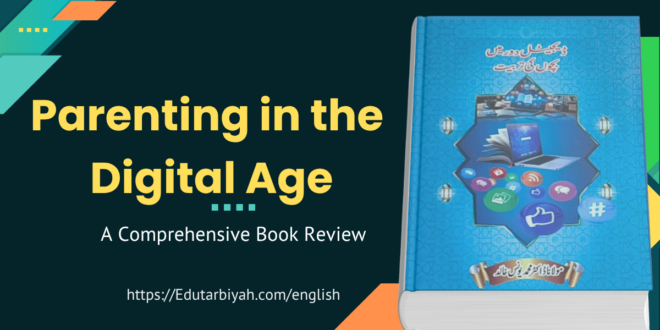
Master Your Child’s Upbringing: A Comprehensive Review of “Parenting in the Digital Age”
In an era defined by the “digital storm” of social media, constant screen time, and a shift toward Western cultural dominance, parents today face an unprecedented challenge. The traditional methods of upbringing that worked for our parents are often no longer sufficient in the face of modern psychological and technological complexities. Enter “ڈیجیٹل دور میں بچوں کی تربیت” (Parenting in the Digital Age) by Dr. Maulana Muhammad Younas Khalid, a seminal guide designed to bridge the gap between Islamic values and modern parenting needs.
This blog explores why this book is becoming an essential manual for families striving for a balanced approach to parenting in the digital age.
About the Author: A Unique Blend of Wisdom and Science
Before diving into the content, it is crucial to understand the authority behind the words. Dr. Maulana Muhammad Younas Khalid is not just an author; he is an educationist, a PhD scholar from Karachi University, and a graduate of the prestigious Jamia Darul Uloom Karachi. His background allows him to synthesize deep Islamic theology with contemporary psychological research, making him a unique voice in the field of personal development and parenting.
His institute, EduTarbiyah, serves as the foundation for the “Tarbiyah 360” program, of which this book is a primary component.
Defining the Core: Education vs. Tarbiyah
One of the most profound insights in the book is the distinction between Ta’leem (Education) and Tarbiyah (Upbringing/Grooming). Dr. Khalid argues that while schools provide information and skills, the formation of character and ethics is the domain of Tarbiyah.
| Aspect | Education (Ta’leem) | Tarbiyah |
|---|---|---|
| Goal | Giving knowledge and awareness | Building character and ethics |
| Method | Curriculum, lectures, and degrees | Love, role modeling, and environment |
| Result | Information and skill acquisition | Change in life, feelings, and behavior |
The book posits that successful parenting in the digital age requires parents to move beyond being just “providers” to becoming “mentors” (Murobbi).
The Roadmap for Parenting in the Digital Age
The book is structured to address every facet of a child’s development through twenty-seven detailed chapters. Here is a breakdown of the key areas every parent needs to focus on:
1. Parental Self-Transformation
The book emphasizes that the first step in child-rearing is the parents’ own self-improvement. Dr. Khalid notes that parents are the “first school” for a child, and children learn 90% by observing behavior rather than listening to instructions. If a parent is irritable, addicted to their phone, or lacks discipline, the child will inevitably mirror these traits.
2. Strategic Roles: The Leader and the Manager
A unique framework presented in the book defines the Father as the Leader and the Mother as the Manager.
- The Father (Leader): Responsible for the family’s vision, providing Halal (permissible) sustenance, and setting the spiritual tone.
- The Mother (Manager): Responsible for the execution of the Tarbiyah plan, managing the child’s emotional and social growth, and ensuring a disciplined yet loving home environment.
3. Balancing Love and Discipline
In the digital age, many parents fall into the trap of “Permissive Parenting,” where they provide excessive love without any boundaries. Dr. Khalid uses the metaphor of a gardener: a gardener loves his plants but must prune them with sharp shears to ensure they grow strong and beautiful.
- Love is the “emotional food” a child needs to feel secure.
- Discipline is the framework that teaches them self-control and social responsibility.
Navigating the Digital Storm
Perhaps the most relevant section of the book for modern readers is its approach to technology. Dr. Khalid does not advocate for a total ban on technology, which he acknowledges is impossible and perhaps counterproductive. Instead, he suggests Digital Literacy and Self-Control.
Key Strategies from the Book:
- Limit Screen Time: Setting clear boundaries based on age.
- Provide Alternatives: Encouraging “Boredom” as a catalyst for creativity, and providing physical play, book reading, and family discussions as alternatives to the screen.
- Supervised Access: Using technology for educational and spiritual growth rather than mindless consumption.
Holistic Character Building: The Four Domains
The book details four essential domains for a child’s development, providing practical activities for each:
- Physical Training: Focus on Halal and balanced nutrition, adequate sleep (8-9 hours for kids), and regular exercise.
- Mental Development: Encouraging curiosity, critical thinking, and a habit of reading.
- Emotional Balance: Teaching children to recognize and name their emotions (joy, anger, fear) and building their self-confidence.
- Spiritual Growth: Connecting the child with their Creator, teaching the Quran and Sunnah, and providing a purpose in life beyond material success.
Dealing with “Difficult” Children
A significant portion of the book is dedicated to “repairing” broken habits. Dr. Khalid reassures parents that no child is permanently “spoiled”. Habit formation is a “loop” of Trigger, Action, and Reward. By changing the triggers and rewards within the home environment, even deep-seated negative behaviors can be corrected through patience, consistency, and prayer.
The Tarbiyah 360 Ecosystem
This book is part of a larger ecosystem created by Dr. Khalid to support parents. This includes:
- “Tarbiyah ka Safar” (The Journey of Upbringing): A series of 10 curriculum books for children from Class 1 to 10.
- Student Daily Planner: A practical checklist to help children manage their daily routines and habits.
- EduTarbiyah Institute: Offering workshops, counseling, and coaching for both parents and teachers.
Conclusion: Is This Book for You?
If you are struggling with a child who is addicted to screens, if you find yourself shouting more than talking, or if you simply want to ensure your child grows up with a strong moral compass in a confusing world, then “ڈیجیٹل دور میں بچوں کی تربیت” is a must-read.
It is more than just a book; it is a Tarbiyah Ecosystem. It offers a “sacred mission” for parents to transform themselves so they can transform their children. In the quest for effective parenting in the digital age, Dr. Maulana Muhammad Younas Khalid has provided the compass parents have been searching for.
Final Verdict: An essential investment for the future of the next generation. It moves beyond theory to offer a “practical roadmap” for a successful, God-conscious, and socially responsible child.
For those interested in the full program, details are available at Edutarbiyah.com.