Edutarbiyah English Blog A Trusted Resource for Parenting, Islamic Tarbiyah & Personal Development
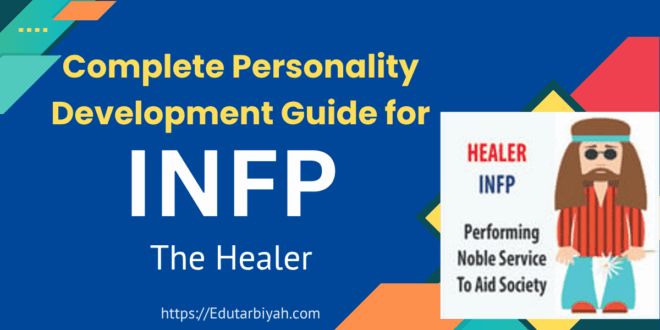
The INFP personality type is one of the most idealistic, compassionate, creative, and deeply reflective personality types in the MBTI framework. Often called “The Healer,” “The Mediator,” or “The Idealist,” INFPs are driven by personal values, meaningful relationships, and a desire to make the world a better place.
INFPs often possess a rich inner world filled with imagination, dreams, emotions, and possibilities. They seek authenticity in themselves and others and are usually motivated by purpose rather than status, power, or material success.
This Personality Development Guide for INFP is designed to help teenagers, university students, professionals, parents, teachers, mentors, and personal development enthusiasts understand the INFP personality type deeply.
Understanding your personality type increases self-awareness, emotional intelligence, relationship improvement, career guidance, and personal growth. It helps explain why you think, feel, communicate, and behave the way you do.
This comprehensive Personality Development Guide for INFP will help you discover your strengths and weaknesses, identify blind spots, improve relationships, choose suitable careers, and develop into the healthiest version of yourself.
What Is MBTI?
The Myers-Briggs Type Indicator (MBTI) is one of the world’s most widely used personality frameworks.
It identifies sixteen personality types based on four personality preferences:
- Introversion (I) or Extraversion (E)
- Intuition (N) or Sensing (S)
- Feeling (F) or Thinking (T)
- Perceiving (P) or Judging (J)
Every personality type has unique strengths, challenges, motivations, communication styles, and growth opportunities.
Understanding personality helps improve:
- Self-awareness
- Personal growth
- Emotional intelligence
- Career success
- Relationship improvement
- Leadership effectiveness
What Does INFP Mean?
INFP stands for Introversion, Intuition, Feeling, and Perceiving.
I – Introversion
INFPs gain energy through solitude, reflection, reading, creativity, and meaningful one-on-one relationships.
Although they care deeply about people, they often need quiet time to recharge.
N – Intuition
INFPs focus on possibilities, ideas, meanings, future potential, and imagination.
They naturally think about what could be rather than only what is.
F – Feeling
INFPs make decisions according to personal values, empathy, and authenticity.
They often ask:
- Does this align with my values?
- Is this meaningful?
- Does this help people?
P – Perceiving
INFPs prefer flexibility, freedom, spontaneity, and open-ended possibilities.
They usually dislike rigid rules, strict schedules, and excessive control.
Cognitive Preferences of INFP
A deeper Personality Development Guide for INFP must explain cognitive functions.
Dominant Function: Introverted Feeling (Fi)
This function gives INFPs strong internal values and authenticity.
They are deeply aware of what feels right or wrong according to their personal convictions.
Auxiliary Function: Extraverted Intuition (Ne)
This function helps INFPs generate ideas, imagine possibilities, explore alternatives, and connect seemingly unrelated concepts.
Tertiary Function: Introverted Sensing (Si)
This function helps INFPs remember meaningful experiences and learn from the past.
Inferior Function: Extraverted Thinking (Te)
This is often the growth area for INFPs.
They may struggle with organization, structure, objective analysis, and implementation.
Overview of INFP – The Healer
Nickname
The Healer, The Mediator, or The Idealist
Core Motivation
To live authentically, help others, express creativity, and make a meaningful difference.
Core Fear
Being misunderstood, losing authenticity, betraying personal values, or living a meaningless life.
Core Values
INFPs often value:
- Authenticity
- Compassion
- Creativity
- Freedom
- Integrity
- Meaning
- Growth
- Individuality
- Justice
- Human potential
Life Mission
To inspire, heal, encourage, and help people become the best versions of themselves.
Key Characteristics of INFP
Thinking Style
INFPs think deeply about values, possibilities, relationships, meaning, and personal growth.
They often focus on the deeper purpose behind actions and events.
Communication Style
INFPs are often gentle, thoughtful, empathetic, and supportive communicators.
They prefer meaningful conversations over superficial discussions.
Learning Style
INFPs learn best through:
- Reflection
- Stories
- Creativity
- Discussion
- Personal relevance
- Exploration
Work Style
INFPs perform best when work aligns with their values and provides purpose.
They dislike meaningless tasks and environments that suppress individuality.
Decision-Making Style
INFPs make decisions by combining values, intuition, empathy, and personal convictions.
Greatest Strengths of INFP
A major purpose of this Personality Development Guide for INFP is helping readers maximize their natural strengths.
1. Empathy
INFPs genuinely care about people and their struggles.
Example:
An INFP teacher often notices emotional needs that others overlook.
2. Creativity
Many INFPs excel in writing, art, storytelling, music, design, and innovation.
3. Authenticity
INFPs strive to be true to themselves.
4. Compassion
They naturally want to help others.
5. Open-Mindedness
INFPs often accept people from different backgrounds and perspectives.
6. Idealism
They believe positive change is possible.
7. Strong Values
Their principles guide important decisions.
8. Deep Reflection
INFPs often understand themselves and others at a profound level.
9. Adaptability
They can adjust creatively to changing circumstances.
10. Desire for Growth
INFPs are usually interested in self-improvement and personal development.
Common Weaknesses and Challenges
Every personality type has weaknesses and growth opportunities.
1. Over-Idealism
INFPs may expect life, relationships, or careers to be perfect.
2. Procrastination
They often delay tasks that feel boring or restrictive.
3. Sensitivity to Criticism
Negative feedback can affect them deeply.
4. Difficulty with Structure
Too much flexibility can create inconsistency.
5. Avoiding Conflict
INFPs often dislike confrontation.
6. Overthinking
They may spend excessive time reflecting without taking action.
7. Emotional Overwhelm
Strong emotions can become exhausting.
8. Unrealistic Expectations
They sometimes expect others to share their values and idealism.
9. Difficulty Prioritizing
Too many possibilities can create confusion.
10. Self-Doubt
Many INFPs underestimate their abilities.
Blind Spots of INFP
An important part of this Personality Development Guide for INFP is helping INFPs identify blind spots.
Blind Spot 1: Living in Possibilities Instead of Reality
Dreams are important, but action is essential.
Blind Spot 2: Avoiding Necessary Conflict
Some conversations must happen for growth.
Blind Spot 3: Waiting for Perfect Conditions
Progress often happens before conditions feel perfect.
Blind Spot 4: Taking Criticism Personally
Feedback is often information, not rejection.
Blind Spot 5: Neglecting Practical Skills
Success requires implementation as well as imagination.
How to Overcome Blind Spots
- Set realistic goals.
- Learn planning skills.
- Practice difficult conversations.
- Separate feedback from personal worth.
- Take action before feeling fully ready.
Emotional Growth Areas
A central focus of every Personality Development Guide for INFP is emotional intelligence.
Emotional Intelligence Challenges
INFPs may struggle with:
- Emotional overwhelm
- Boundary setting
- Conflict avoidance
- Sensitivity
- People-pleasing
Self-Awareness Development
Ask yourself:
- What am I feeling?
- What value is being affected?
- Am I avoiding something important?
- What action should I take?
Self-Regulation Strategies
- Journaling
- Reflection
- Exercise
- Prayer and mindfulness
- Creative expression
- Healthy boundaries
Relationship Guide for INFP
INFP as a Spouse
INFPs are loving, loyal, supportive, and romantic partners.
They often seek deep emotional connection and meaningful communication.
Challenges:
- Unrealistic expectations
- Avoiding conflict
- Emotional sensitivity
Growth Tips:
- Communicate openly.
- Avoid expecting mind-reading.
- Accept imperfections.
INFP as a Parent
INFP parents are often warm, encouraging, creative, and emotionally supportive.
They usually nurture individuality and personal growth.
Growth Tips:
- Maintain consistency.
- Set clear boundaries.
- Balance freedom with responsibility.
INFP as a Friend
INFPs are caring, loyal, and supportive friends.
They value depth over popularity.
INFP as a Colleague
INFPs contribute creativity, empathy, and innovation.
Growth Tips:
- Improve organization.
- Communicate deadlines clearly.
- Balance ideals with practicality.
Career Development Guide
A quality Personality Development Guide for INFP should help readers identify suitable careers.
Best Careers for INFP
INFPs often thrive in careers involving creativity, helping others, personal expression, and meaningful contribution.
Examples include:
- Writer
- Author
- Counselor
- Psychologist
- Teacher
- Social Worker
- Coach
- Graphic Designer
- Content Creator
- Human Resources Professional
- Therapist
- Artist
- Musician
- Filmmaker
- Nonprofit Leader
- Researcher
- Marketing Creative
- Career Counselor
Careers That May Feel Draining
INFPs may struggle in careers involving:
- Excessive bureaucracy
- Repetitive tasks
- Constant conflict
- Emotionally cold environments
- Highly controlling management
Leadership Strengths
INFP leaders inspire through vision, empathy, authenticity, and personal growth.
Workplace Challenges
- Time management
- Structure
- Objective decision-making
- Handling criticism
Career Growth Roadmap
- Develop expertise.
- Build discipline.
- Improve communication.
- Learn project management.
- Strengthen emotional resilience.
- Develop leadership skills.
- Balance ideals with action.
Parenting an INFP Child
INFP children are often imaginative, gentle, curious, creative, and emotionally sensitive.
How Parents Should Nurture an INFP Child
- Encourage creativity.
- Listen carefully.
- Validate emotions.
- Respect individuality.
- Support dreams.
Common Parenting Mistakes
- Excessive criticism.
- Over-control.
- Ignoring emotions.
- Comparing them with others.
Educational Recommendations
INFP children often learn best through:
- Stories
- Creativity
- Reflection
- Discussion
- Project-based learning
- Meaningful experiences
Personal Development Roadmap
Daily Habits
- Journal reflections.
- Read inspiring content.
- Exercise.
- Practice gratitude.
- Take action toward goals.
Weekly Habits
- Review goals.
- Learn a new skill.
- Connect with meaningful people.
- Complete unfinished tasks.
Mindset Shifts
From:
“I need perfect conditions.”
To:
“I can start today.”
From:
“I don’t like conflict.”
To:
“Healthy conversations build stronger relationships.”
Skills to Learn
- Planning
- Organization
- Leadership
- Emotional intelligence
- Assertiveness
- Time management
- Communication
Habits to Avoid
- Procrastination
- Excessive daydreaming
- Avoiding responsibility
- People-pleasing
- Overthinking
Spiritual and Character Development
Humility
Remain teachable and open to growth.
Discipline
Dreams become reality through consistent action.
Patience
Growth requires time and persistence.
Gratitude
Focus on blessings rather than limitations.
Purpose-Driven Living
Use your gifts to positively impact others.
How INFP Can Become Their Best Version
The healthiest INFP is authentic, emotionally intelligent, disciplined, compassionate, and purpose-driven.
Step 1
Accept your unique personality.
Step 2
Strengthen self-confidence.
Step 3
Develop practical skills.
Step 4
Improve emotional resilience.
Step 5
Take action consistently.
Step 6
Build healthy relationships.
Step 7
Use your gifts to serve others.
This is the heart of the Personality Development Guide for INFP: transforming ideals into action, compassion into contribution, and dreams into reality.
Famous INFP Personalities
Examples often associated with INFP characteristics include:
- William Shakespeare
- J.R.R. Tolkien
- Princess Diana
- Audrey Hepburn
- Johnny Depp
- C.S. Lewis
- Vincent van Gogh
- Fred Rogers
Lessons We Can Learn
- Authenticity matters.
- Creativity changes lives.
- Compassion is powerful.
- Dreams require action.
Frequently Asked Questions
1. What is the INFP personality type?
INFP stands for Introversion, Intuition, Feeling, and Perceiving.
2. Why is INFP called The Healer?
Because INFPs naturally support emotional growth, healing, and human development.
3. What are INFP strengths?
Empathy, creativity, authenticity, compassion, and imagination.
4. What are INFP weaknesses?
Procrastination, overthinking, sensitivity, and difficulty with structure.
5. Are INFPs emotional?
Yes. INFPs often experience emotions deeply.
6. What careers suit INFPs?
Creative, helping, educational, counseling, and purpose-driven careers.
7. How can INFPs improve relationships?
By communicating openly and setting healthy boundaries.
8. How should parents raise an INFP child?
With emotional support, encouragement, creativity, and gentle structure.
9. What stresses INFPs most?
Conflict, criticism, inauthenticity, and highly controlling environments.
10. What is the best personal development path for INFP?
Developing discipline, emotional intelligence, confidence, practical skills, and consistent action.
Final Thoughts
The INFP personality type brings creativity, compassion, empathy, imagination, and authenticity into the world. INFPs are natural healers, dreamers, writers, teachers, counselors, and encouragers who inspire others through their values and vision.
This Personality Development Guide for INFP demonstrates that personal growth is not about becoming someone else. It is about becoming the healthiest version of who you already are.
The healthiest INFP is compassionate yet strong, creative yet disciplined, idealistic yet practical, and authentic yet growth-oriented.
Key Takeaways
- INFPs are creative, empathetic, and idealistic.
- Their strengths include compassion, authenticity, and imagination.
- Their weaknesses include procrastination, overthinking, and conflict avoidance.
- Growth comes through discipline, action, confidence, and emotional intelligence.
- INFP children thrive with creativity, encouragement, and emotional support.
- INFPs can make extraordinary contributions when they turn ideals into action.
Personal Development Challenge
For the next seven days, choose one meaningful goal and take one practical action toward it every day.
Do not wait for perfect conditions.
True personality development begins when dreams become actions.